
Search Results
18 Results Found for “node/HRCT”

Tuberculosis (TB) has risen once again, as of 2023, to return to being the world’s deadliest infectious disease. TB causes around one million deaths annually, leaving devastating impacts on patients and their communities.1 Historically, TB has been treated in separate ...

Tuberculosis (TB), an airborne infectious disease caused by Mycobacterium tuberculosis, spreads primarily when active in the lungs of patients with undiagnosed TB disease.1,2 TB infectivity and transmission continue to be an on-going and challenging concern, especially in high-incidence areas, requiring ...

We are deeply saddened to share the passing of Dr Ronald A Strauss, an esteemed member of the Editorial Board of touchREVIEWS in Respiratory & Pulmonary Diseases, who died on 12 January 2025 at the age of 80 in Cleveland Heights, OH, USA. ...

It is my great pleasure to introduce touchREVIEWS in Respiratory & Pulmonary Diseases, Volume 10, Issue 1, 2025. This issue brings together a collection of timely and thought-provoking articles addressing key challenges and emerging innovations across the spectrum of respiratory and pulmonary care. ...

Despite significant advances over the years in cancer care, lung cancer unfortunately remains the leading cause of cancer-related mortality and one of the overall leading causes of death in the USA.1 Understanding the complex interaction between our patients and their ...

Lung cancer remains the leading cause of cancer mortality and the second-most common cancer globally. In the USA, there were 238,340 new cases of lung cancer in 2023, according to the American Cancer Society.1 Worldwide, 2.2 million new cases were reported in 2020.2 Although ...

Pulmonary rehabilitation (PR) is one of the most cost-effective interventions for people with chronic respiratory disease.1 The evidence base is strong, demonstrating benefits of improving exercise capacity and health-related quality of life. Furthermore, it has been stated that research comparing ...

According to the Seventh World Symposium on Pulmonary Hypertension in 2024, pulmonary hypertension (PH) is defined as a mean pulmonary artery pressure (mPAP) of >20 mmHg. Pre-capillary PH is defined by mPAP of >20 mmHg and elevation of pulmonary vascular resistance (...

Asthma affects nearly 300 million people worldwide.1 Despite a notable decline in age-standardized prevalence, mortality and disability-adjusted life years over the past three decades, the burden of asthma remains high in many countries including low-middle-income countries.2 Climate change is also predicted ...

Welcome to the latest edition of touchREVIEWS in Respiratory & Pulmonary Diseases. As we continually strive to deliver cutting-edge research and insightful commentary, this issue is no exception, featuring a diverse array of articles that illuminate both emerging treatments and ...
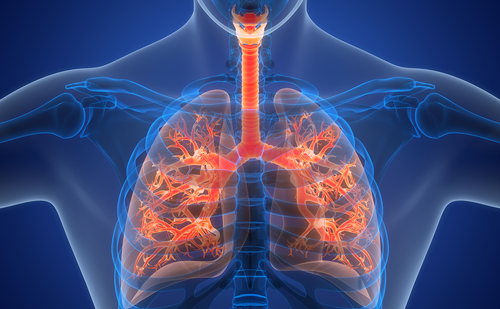
Approximately half of all smokers will develop chronic obstructive pulmonary disease (COPD), with a disease progression over several years before the spirometric threshold for diagnosis is reached.1 There is, therefore, a clear benefit in identifying patients with COPD as early ...

The nasal airway serves as the primary entry point of air and oxygen into the body. It serves critical functions, such as providing a physical barrier against external irritants and pathogens and warming and humidifying incoming air.1 Consequently, disorders of ...

Pentraxin-2 is a member of the pentraxin family of proteins, which includes C-reactive protein (CRP), pentraxin-2 and pentraxin-3.1–3 When initially discovered and characterized, pentraxin-2 was known as serum amyloid P (SAP) due to its isolation from amyloid deposits in humans; ...

Paediatric sleep-disordered breathing Sleep-disordered breathing (SDB) is defined as the disruption of normal respiration and ventilation while asleep.1 SDB encompasses multiple sleep disturbances, ranging from mild snoring to obstructive sleep apnoea (OSA).1,2 OSA is characterized by episodic partial or complete ...

Interstitial lung diseases (ILDs) are a heterogeneous group of disorders characterized by inflammation and/or fibrosis.1 Pulmonary fibrosis develops due to repeated cycles of injury and impaired repair with fibroblast activation and migration with the resultant deposition of extracellular matrix ...

Acute exacerbations of chronic obstructive pulmonary disease (AECOPD) are the dominant cause of the worsening and high mortality of chronic obstructive pulmonary disease (COPD), and are associated with higher healthcare costs as part of COPD management. AECOPD is characterized by ...

Lung cancer accounts for the highest cancer-related mortality and is the second most common cause of malignancy worldwide.1 Diagnosis at an early stage (ES) has a direct effect on management and survival rates. Overall, the 5-year survival rate from 2013 to 2019 ...

The topic of the carbon footprint of human activities is one frequently discussed worldwide. There have been conscious efforts across multiple fields, including healthcare, to reduce their carbon footprint. In Canada, 4.6% of greenhouse gases (GHG) are manufactured by the healthcare ...
Log into your Touch Account
Keep track of your clinical interests and newsletter subscriptions.
Sign up with an Email
Or use a .
Register now for FREE access
Already registered? Login below.
